
Strength Training Nutrition Essentials
Master the science of nutrition for optimal muscle growth, performance, and recovery. Our comprehensive guide breaks down everything strength athletes need to know about fueling their bodies.
Caloric Requirements
Understand your daily energy needs based on training intensity and body composition goals
Protein Strategy
Optimal protein intake timing and sources for maximum muscle synthesis and repair
Carbohydrate Timing
Strategic carb placement around workouts to fuel performance and enhance recovery
Micronutrient Support
Essential vitamins and minerals for hormonal balance, immunity, and joint resilience
The information on this site is for educational purposes only and does not constitute medical advice. Always consult a qualified healthcare professional before making health decisions.
The Foundation: Protein and Muscle Growth
Protein is the cornerstone of any strength training nutrition plan. It provides amino acids that repair muscle fibers damaged during workouts, leading to growth and increased strength. The science is clear: without adequate protein, your training efforts yield minimal results.
For strength athletes, daily protein intake should range from 1.6 to 2.2 grams per kilogram of body weight. This ensures sufficient amino acid availability for muscle protein synthesis, the process that builds and strengthens muscle tissue. Distribution across multiple meals optimizes this process throughout the day.
- Whole food sources: Chicken, fish, beef, eggs, and dairy provide complete amino acid profiles
- Plant-based options: Legumes, tofu, tempeh, and nuts offer valuable protein with additional nutrients
- Meal timing: Consuming 20-40g protein within 2 hours post-workout supports optimal recovery

Core Nutritional Pillars
These six essential elements form the backbone of effective strength training nutrition
Complete Proteins
Contain all nine essential amino acids your body cannot synthesize independently. Critical for muscle repair and growth after intense training sessions.
Examples: Beef, salmon, eggs, Greek yogurt, whey protein
Quality Carbohydrates
Replenish muscle glycogen stores depleted during training and provide sustained energy. Complex carbs also support hormonal balance and recovery.
Examples: Oats, brown rice, sweet potatoes, quinoa, barley
Healthy Fats
Essential for hormone production, joint health, and nutrient absorption. Support testosterone levels and reduce exercise-induced inflammation.
Examples: Avocados, olive oil, almonds, salmon, coconut oil
Vegetables & Fruits
Packed with vitamins, minerals, and antioxidants that support immune function and reduce inflammation. Essential for overall health during heavy training.
Examples: Broccoli, spinach, blueberries, oranges, carrots
Hydration Strategy
Proper fluid intake affects strength performance, recovery speed, and metabolic efficiency. Dehydration impairs muscle function and nutrient transport.
Goal: 3-4 liters daily, adjusted for training volume and climate
Sleep & Recovery
Nutrition works best when paired with 7-9 hours of quality sleep. During sleep, your body synthesizes muscle protein and optimizes hormonal balance.
Tip: Avoid caffeine 6+ hours before bedtime; eat light dinners
Your 4-Step Nutrition Planning Process
Follow this proven framework to design a nutrition plan aligned with your training goals
Calculate Baseline
Determine your daily caloric needs using your weight, activity level, and goal (muscle gain vs. maintaining). Use online calculators or consult nutrition guidelines specific to strength athletes.
Set Macro Targets
Allocate calories across protein (1.6–2.2g/kg), carbohydrates (3–8g/kg), and fats (0.5–1.5g/kg) based on your training phase and intensity level.
Plan Meal Structure
Distribute meals across 3–4 daily eating windows. Time protein and carbs around training sessions for maximum absorption and performance benefit.
Monitor & Adjust
Track progress weekly. If strength plateaus or body composition stalls, adjust calories by ±200–300 kcal and reassess macros based on results.
Sample Meal Plan Templates
Practical meal structures for different training schedules and dietary preferences
High-Volume Training Day
- Breakfast: 3 eggs, oatmeal with berries, almonds
- Mid-Morning: Greek yogurt with granola and honey
- Pre-Workout: Banana with almond butter (30 min before)
- Post-Workout: Protein shake with rice cakes (within 30 min)
- Lunch: Grilled chicken, brown rice, broccoli
- Dinner: Salmon, sweet potato, asparagus
~2,800 kcal | 170g protein | 320g carbs | 85g fat
Maintenance (Rest Day)
- Breakfast: 2 whole eggs + 1 egg white, toast, avocado
- Snack: Cottage cheese with berries
- Lunch: Lean beef, white rice, green beans
- Snack: Apple with peanut butter
- Dinner: Cod fillet, sweet potato, mixed vegetables
~2,200 kcal | 140g protein | 210g carbs | 65g fat
Plant-Based Athlete
- Breakfast: Tofu scramble with vegetables, whole grain toast
- Mid-Morning: Lentil-based protein smoothie
- Pre-Workout: Rice cakes with almond butter
- Post-Workout: Hemp seed protein shake with banana
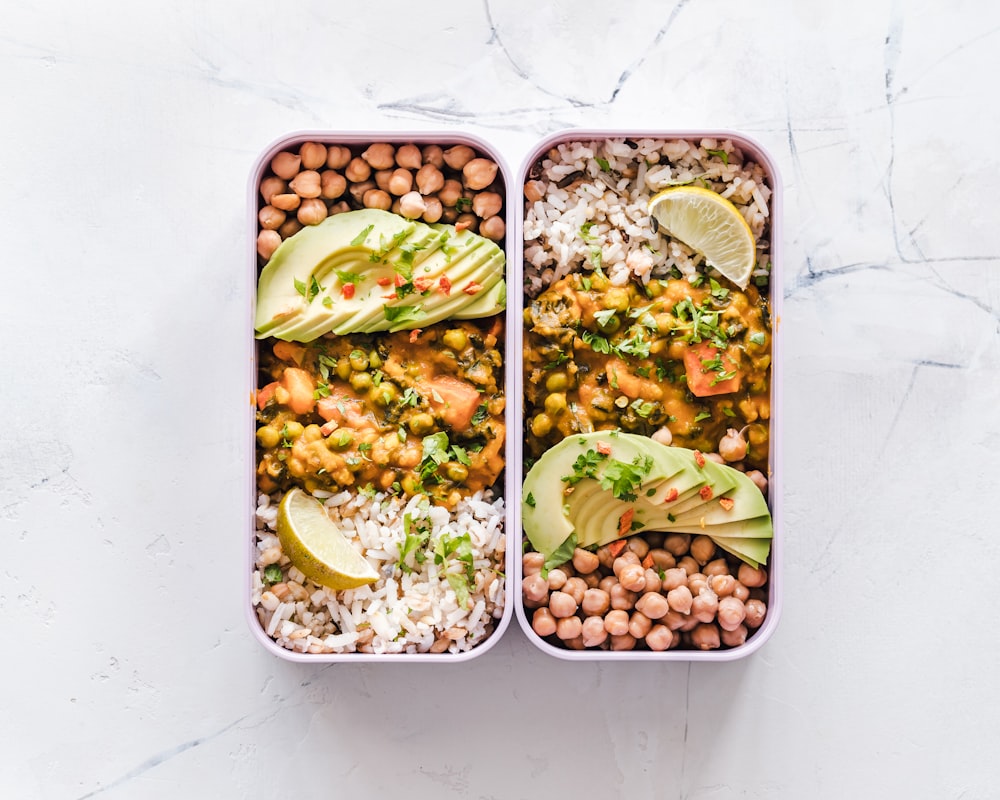
- Lunch: Chickpea curry with quinoa and spinach
- Dinner: Tempeh stir-fry with brown rice and broccoli
~2,600 kcal | 130g protein | 340g carbs | 70g fat
Lower Carb Option
- Breakfast: Scrambled eggs, bacon, avocado, tomato
- Lunch: Grass-fed steak with olive oil roasted vegetables
- Pre-Workout: Mixed nuts and dark chocolate
- Post-Workout: Whey protein with coconut milk
- Dinner: Wild-caught salmon, butter, Brussels sprouts
- Evening: Full-fat Greek yogurt
~2,400 kcal | 160g protein | 120g carbs | 140g fat
Vegetarian Strength
- Breakfast: Cottage cheese pancakes with honey and walnuts
- Snack: Protein yogurt with granola
- Lunch: Black bean and cheese burrito with brown rice
- Pre-Workout: Banana with peanut butter
- Post-Workout: Whey protein with oats
- Dinner: Baked tofu, pasta, broccoli with pesto
~2,700 kcal | 135g protein | 350g carbs | 75g fat
Busy Professional
- Breakfast: Protein powder oatmeal with banana
- Mid-Morning: Protein bar or shake
- Lunch: Rotisserie chicken with pre-cooked rice
- Pre/Post: Convenient shake or granola bar
- Dinner: Canned tuna pasta with frozen vegetables
- Evening: Casein protein shake
~2,500 kcal | 155g protein | 280g carbs | 70g fat
Meal Timing and Training Performance
When you eat matters just as much as what you eat. Strategic meal timing around your workouts enhances nutrient absorption, performance during training, and recovery afterward. This synchronization between nutrition and exercise creates a synergistic effect that amplifies results.
Pre-workout nutrition should arrive 60–120 minutes before training, providing readily available carbohydrates and moderate protein without excessive fat or fiber. This fuels your session and prevents muscle breakdown. Post-workout, a quick protein and carb combination within 30–60 minutes optimizes muscle protein synthesis and glycogen replenishment.
Pre-Workout (60–120 min before):
- • Oatmeal with banana and honey
- • Rice cakes with almond butter
- • Sweet potato with lean protein
- • Fruit smoothie with Greek yogurt
Post-Workout (30–60 min after):
- • Protein shake with banana and rice syrup
- • Grilled chicken with white rice
- • Salmon with potatoes and vegetables
- • Greek yogurt with granola and honey
Common Strength Training Nutrition Questions
Practical answers to the questions athletes ask most frequently
How much protein do I really need?
For strength athletes, aim for 1.6–2.2 grams per kilogram of body weight daily. A 80kg athlete would need 128–176g per day. Distribute this across 3–4 meals to optimize muscle protein synthesis. Higher end (2.2g/kg) may benefit those in heavy deficit during body composition changes.
Can I build muscle without supplements?
Absolutely. Whole food provides all necessary nutrients. Protein powder is convenience, not necessity. Focus on eggs, chicken, fish, Greek yogurt, beans, and nuts first. Supplements fill gaps where whole foods don't fit your schedule—they're tools, not requirements.
What should I eat on rest days?
Rest days don't mean zero calories. Maintain protein intake (supports muscle maintenance) but reduce carbs slightly since no glycogen depletion occurs. Fats can increase to support hormone production. Many athletes eat 300–500 calories less on rest days while keeping protein stable.
How do I break through a strength plateau?
Plateaus often signal caloric deficit. If gaining strength stalls, add 200–300 calories weekly for two weeks. Verify protein remains adequate. Reassess training volume and intensity—nutrition alone won't overcome poor programming. Sleep, stress management, and consistency matter equally.
Is meal timing really that important?
Meal timing is less critical than total daily intake, but strategic timing supports your goals. Post-workout nutrition (within 2 hours) helps recovery and muscle protein synthesis. Eating protein throughout the day distributes amino acid availability. For most people, eating when hungry and hitting daily macros matters far more than the exact time. Intermittent fasting works for some; frequent small meals work for others—choose what fits your lifestyle and keeps you consistent.
Can I build muscle on a budget?
Absolutely. Budget-friendly muscle-building staples include eggs, chicken thighs, canned tuna, Greek yogurt, cottage cheese, oats, rice, beans, and lentils. Protein powder (whey or plant-based) offers great value per serving. Focus on whole foods first, supplement with powder if needed. Track intake to hit 0.7–1g protein per pound of body weight. Progressive resistance training + adequate sleep + consistent nutrition beats expensive supplements every time.
Real Results from Real Members
See how Fitdietmens members transformed their bodies and habits through structured nutrition and training.
James M.
Lost significant weight in 12 weeks
"The macro calculator took the guesswork out of eating. I finally understood why I wasn't losing weight—I was eating too much. Now I track, stay consistent, and the results speak for themselves."
Robert C.
Gained 12 lbs of muscle
"I was spinning my wheels at the gym until I got serious about protein intake. Fitdietmens helped me dial in my nutrition for growth. Best decision I made this year."
Derek K.
Energy & Recovery Improved
"Thought I was eating healthy, but the nutrition breakdown showed I was missing key nutrients. Now I feel stronger, sleep better, and my workouts are more productive."