
Master Strength Training Nutrition
Discover evidence-based nutrition strategies to maximize your strength gains, optimize recovery, and build a physique that reflects your dedication in the gym.
- Comprehensive macro and micronutrient guidance tailored to your training phase
- Real-world meal planning strategies and timing protocols for athletes
- Science-backed supplement recommendations and practical implementation
Stay Updated
We share valuable nutrition insights directly to your inbox. Unsubscribe anytime.
The information on this site is for educational purposes only and does not constitute medical advice. Always consult a qualified healthcare professional before making health decisions.
Core Nutrition Topics for Strength Athletes
Essential knowledge areas to help you fuel your training and accelerate progress
Macronutrient Fundamentals
Learn optimal protein intake ranges, carbohydrate timing for training phases, and strategic fat consumption to support hormonal health and performance.
Learn moreMeal Planning & Preparation
Practical strategies for meal prepping, portion control, and creating sustainable nutrition habits that fit your training schedule and lifestyle.
Explore recipesMicronutrients & Supplementation
Understand essential vitamins, minerals, and evidence-based supplements that support muscle development, immune function, and training adaptations.
Discover insights
Why Fitdietmens is Your Trusted Nutrition Resource
We provide comprehensive, science-based nutrition guidance specifically designed for strength athletes who want to maximize their training results through intelligent eating strategies.
Evidence-Based Information
All nutrition strategies and recommendations are grounded in current sports science research and practical athlete experience.
Practical Implementation
We focus on real-world solutions that fit your schedule, preferences, and training intensity rather than idealistic theoretical approaches.
Continuously Updated
Our content reflects the latest nutrition science, ensuring you receive current guidance as understanding of strength training nutrition evolves.
Community Focused
Join a community of athletes and enthusiasts dedicated to optimizing nutrition for strength development and athletic performance.
Your Strength Nutrition Journey
Follow these key steps to transform your nutrition strategy
Assess Your Needs
Begin by understanding your training goals, current body composition, activity level, and dietary preferences to establish a personalized baseline for nutrition planning.
Read assessment guideLearn Fundamentals
Dive deep into macronutrient science, nutrient timing protocols, and hydration strategies specifically optimized for strength training performance and muscle development.
Browse articlesImplement & Adjust
Start with practical meal plans, track your progress, and refine your nutrition approach based on your training results, energy levels, and body composition changes.
Explore meal plansNutrition Success Across Different Goals
Real results from athletes who optimized their nutrition strategies

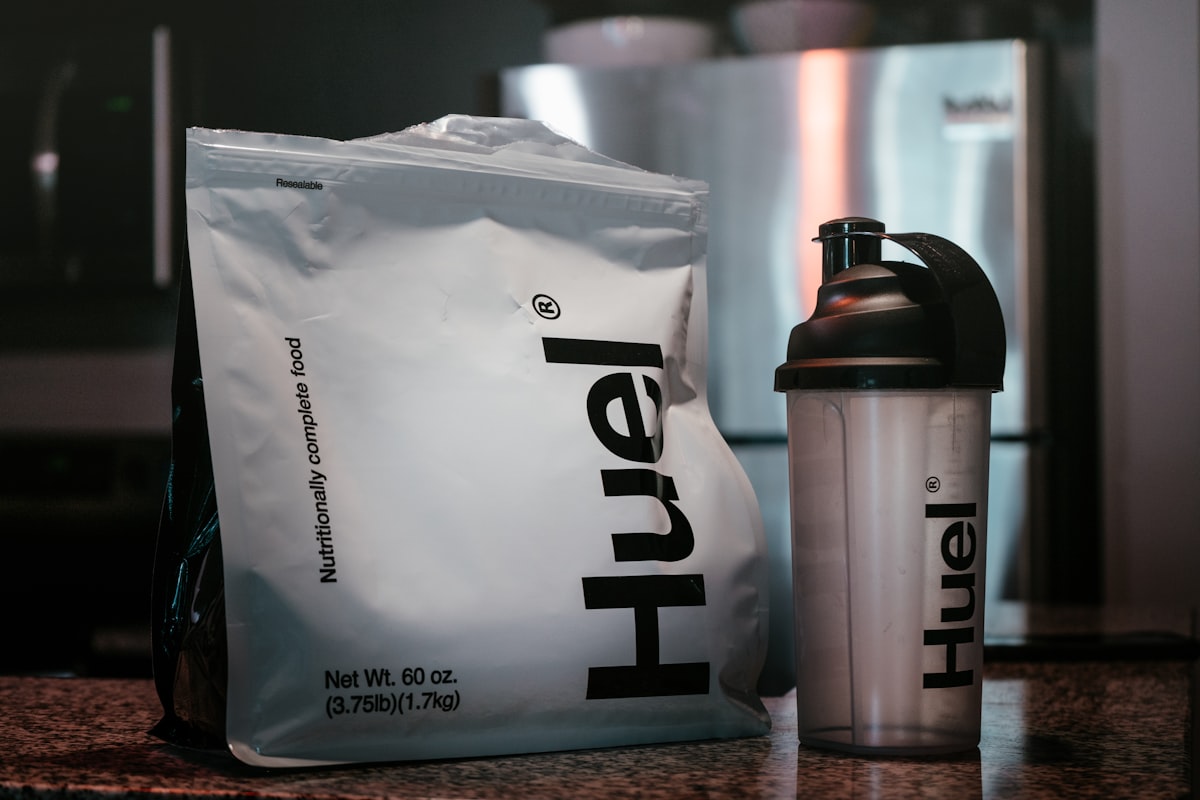
Lean Muscle Gain Protocol
Strategic surplus nutrition combined with precise training timing
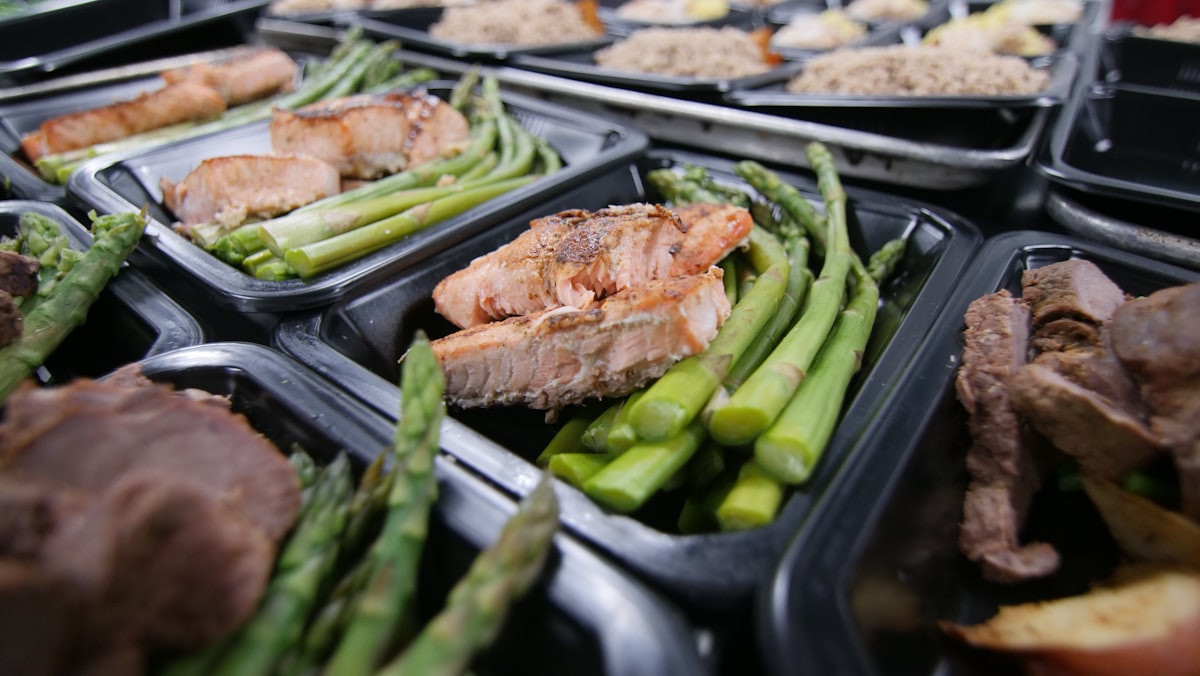
Strength Phase Nutrition
Macronutrient manipulation for maximal strength development
Recovery Enhancement
Nutrition timing and nutrient selection for optimal recovery
What Athletes Say About Our Guidance
Real feedback from people who've applied our nutrition strategies
Exceptional Practical Advice
Verified from Jakarta
The macro breakdown guidelines completely transformed how I approach my training nutrition. I've been following the meal prep strategies for three months and my strength gains have been consistent. The information is clear, actionable, and actually fits into a busy lifestyle. This is exactly what I needed to take my training to the next level.
Bambang Sutrisno
Strength Coach, Jakarta
Science-Based & Reliable
Verified from Bandung
Finally, a nutrition resource that doesn't rely on hype or extreme approaches. Every article I've read from Fitdietmens is backed by actual research. I appreciate how they explain the science without making it overwhelming. My training partners have noticed the improvements in my performance, and it all comes down to applying these nutrition principles consistently.
Rini Wahyudi
Personal Trainer, Bandung
Real Results, Real Information
Verified from Surabaya
I was skeptical about nutrition guides until I found Fitdietmens. The detail in their articles about nutrient timing and supplement science is outstanding. I implemented their recovery nutrition protocol and noticed faster bounce-back between intense training sessions. The content is regularly updated, which shows they genuinely care about providing current information.
Djoni Hartanto
Competitive Athlete, Surabaya
Frequently Asked Questions
Find answers to common questions about strength training nutrition
How much protein do strength athletes actually need?
Current sports nutrition research suggests protein intake of approximately 1.6-2.0 grams per kilogram of body weight daily for optimal muscle protein synthesis during strength training phases. This range supports muscle adaptation while allowing flexibility based on individual tolerance and training intensity. Factors like training volume, recovery capacity, and individual metabolic response should inform your specific target within this range.
When should I eat around my training sessions?
Nutrient timing matters most within the context of your daily total nutrition. Research suggests consuming carbohydrates and protein within a few hours before and after intense training sessions optimizes performance and recovery. A meal containing carbs and protein 2-3 hours pre-training, plus a post-workout snack or meal within 1-2 hours, aligns with current evidence on muscle protein synthesis and glycogen replenishment.
Which supplements are actually worth considering?
Research-supported supplements for strength athletes include creatine monohydrate (proven for strength and muscle gains), whey protein (convenient protein source), and possibly beta-alanine or caffeine for performance enhancement. Focus first on consistent training, adequate nutrition, and sleep before relying on supplements. The supplement industry is filled with marketing hype, so prioritize substances with solid scientific support for your specific goals.
How do I adjust nutrition for different training phases?
Different training phases benefit from different nutrition approaches. Strength focus periods benefit from adequate calories and carbs to support heavy loads. Hypertrophy phases require slightly elevated calories and consistent protein to support muscle growth. During endurance or lighter phases, reduce calories slightly while maintaining protein. These adjustments work best when combined with strategic training periodization to maximize overall adaptation and long-term progress.
What about hydration during training?
Proper hydration is critical for performance, especially during intense strength training. Drink water consistently throughout the day, and increase intake around training sessions. For sessions under 60 minutes, water is sufficient. For longer intense sessions, sports drinks with electrolytes and carbohydrates help maintain performance. Individual sweat rates vary, so monitor urine color and thirst cues as practical guides for adequate hydration status.
Can I build muscle while in a calorie deficit?
Yes, but the extent depends on your training experience and current body composition. Beginners and those with higher body fat percentages can build muscle while losing fat. Experienced lifters typically maintain muscle better than gain new muscle in a deficit. The key is maintaining adequate protein intake (1.8-2.2g per kg), consistent resistance training, and a moderate deficit rather than aggressive calorie restriction to preserve training performance.
Ready to Optimize Your Strength Training Nutrition?
Start exploring our comprehensive guides, articles, and meal planning resources today. Join a community of strength athletes committed to science-based nutrition.
Have questions? Contact our editorial team for content feedback and inquiries.